
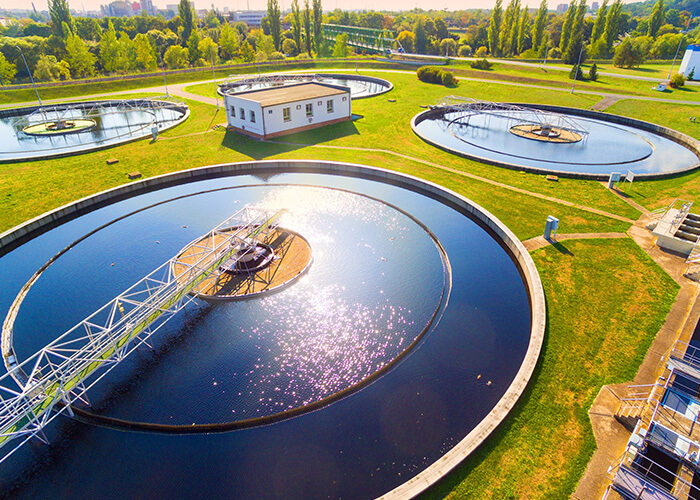
India, with its burgeoning population and rapid industrialization, faces significant challenges in managing wastewater. The country’s rivers, lakes, and groundwater sources are increasingly contaminated, posing severe risks to public health and the environment. Effective wastewater treatment is crucial for safeguarding water resources and ensuring sustainable development.
The State of Wastewater in India
A staggering 70% of India’s surface water resources are polluted. This pollution is primarily due to the discharge of untreated or inadequately treated domestic and industrial effluents. Urban areas, in particular, struggle with managing the vast amounts of wastewater generated by households, industries, and commercial establishments. The lack of adequate wastewater treatment infrastructure exacerbates this issue, leading to waterborne diseases and environmental degradation.
Current Challenges
India faces significant challenges in wastewater management, including inadequate infrastructure, lack of funding, and insufficient regulatory enforcement. These issues contribute to water pollution, health hazards, and environmental degradation.

